How Can Women Over 40 Lose Visceral Fat?
Women over 40 can reduce visceral fat through a combination of regular aerobic movement such as brisk walking, strength training, healthy nutrition, adequate recovery, and a routine they can maintain consistently. You cannot target visceral fat with abdominal exercises alone, and there is no special heart-rate zone that selectively melts belly fat. The strongest evidence supports reducing overall body fat while preserving muscle and staying physically active across the week.
For women entering perimenopause or menopause, this becomes particularly important because hormonal changes can shift where the body stores fat. Even when the number on the scale changes very little, more fat may begin accumulating around the abdomen.
The good news is that visceral fat is responsive to lifestyle change.
And one of the easiest places to start is something most people can already do: walk.
What Is Visceral Fat?
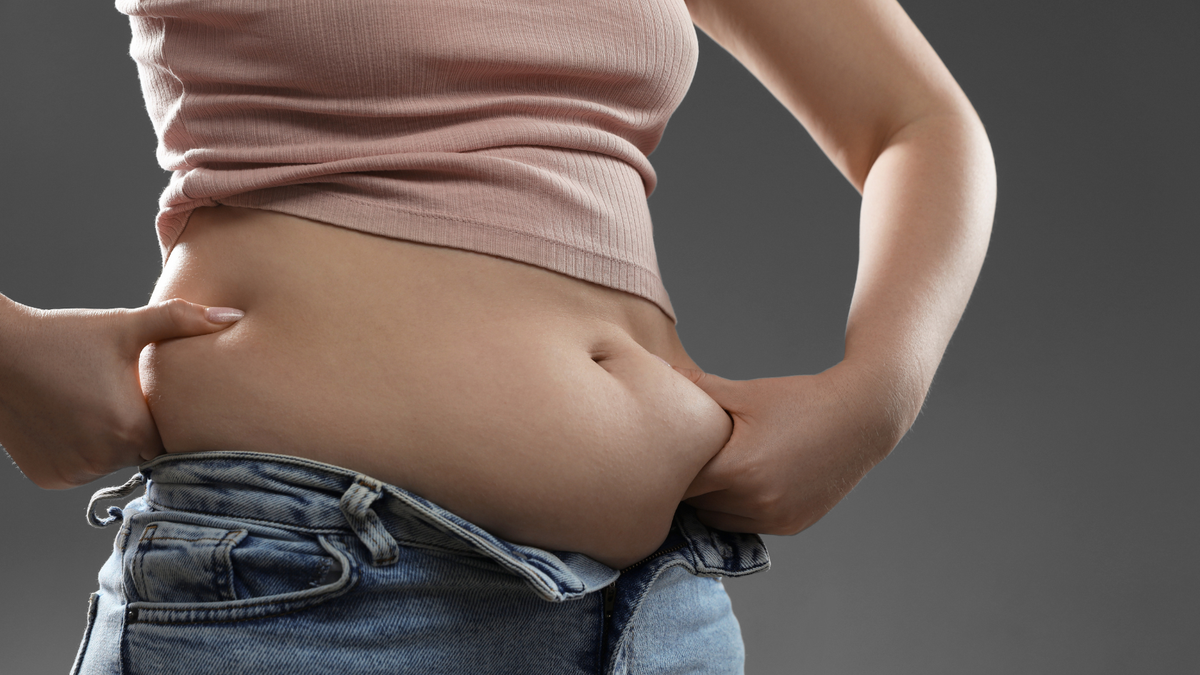
Visceral fat is fat stored deep inside the abdomen around organs such as the liver and intestines.
It is different from subcutaneous fat, which is the softer fat you can pinch under your skin.
A certain amount of visceral fat is normal, but excess visceral fat is associated with higher cardiometabolic risk, including insulin resistance, type 2 diabetes, cardiovascular disease, and metabolic dysfunction.
That makes reducing excess visceral fat about much more than appearance.
It is a long-term health goal.
Why Can Visceral Fat Increase After 40?
Women do not suddenly develop a "bad metabolism" on their 40th birthday.
The changes are more complicated.
During the menopausal transition, declining estrogen influences body-fat distribution. Research increasingly shows a shift from storing more fat around the hips and thighs toward greater central and abdominal fat accumulation.
At the same time, adults can gradually lose muscle if they are inactive and do not perform resistance training. Less muscle can make maintaining healthy body composition more difficult.
Sleep disruption, changes in activity, diet, stress, and other lifestyle factors can add to the problem.
That is why trying to solve midlife belly fat simply by eating less or doing more cardio often misses the bigger picture.

Can You Specifically Target Visceral Fat?
No. You cannot choose where your body loses fat by exercising a specific body part.
Doing hundreds of crunches may strengthen your abdominal muscles, but it does not selectively remove the visceral fat surrounding your organs.
Visceral fat decreases as your overall metabolic health and body composition improve.
The most useful strategy is therefore not:
"How do I burn belly fat?"
It is:
"How do I build a weekly routine that reduces excess body fat while maintaining muscle?"
That change in thinking makes a major difference after 40.
What Does the Science Say About Exercise and Visceral Fat?
One of the strongest recent analyses of exercise in postmenopausal women examined 101 studies involving 5,697 women.
The researchers found that exercise training improved body composition by reducing fat mass, waist circumference, and visceral fat. Aerobic exercise showed particularly strong effects on fat-related outcomes, while resistance and combined training produced stronger benefits for muscle.
Another large review of exercise and visceral adipose tissue found that regular aerobic exercise, resistance training, combined training, and interval training can all contribute to improvements in abdominal fat and body composition.
The practical takeaway is important:
You do not need one perfect fat-burning workout. You need a repeatable combination of movement.
1. Walk More, Especially if You Sit Most of the Day
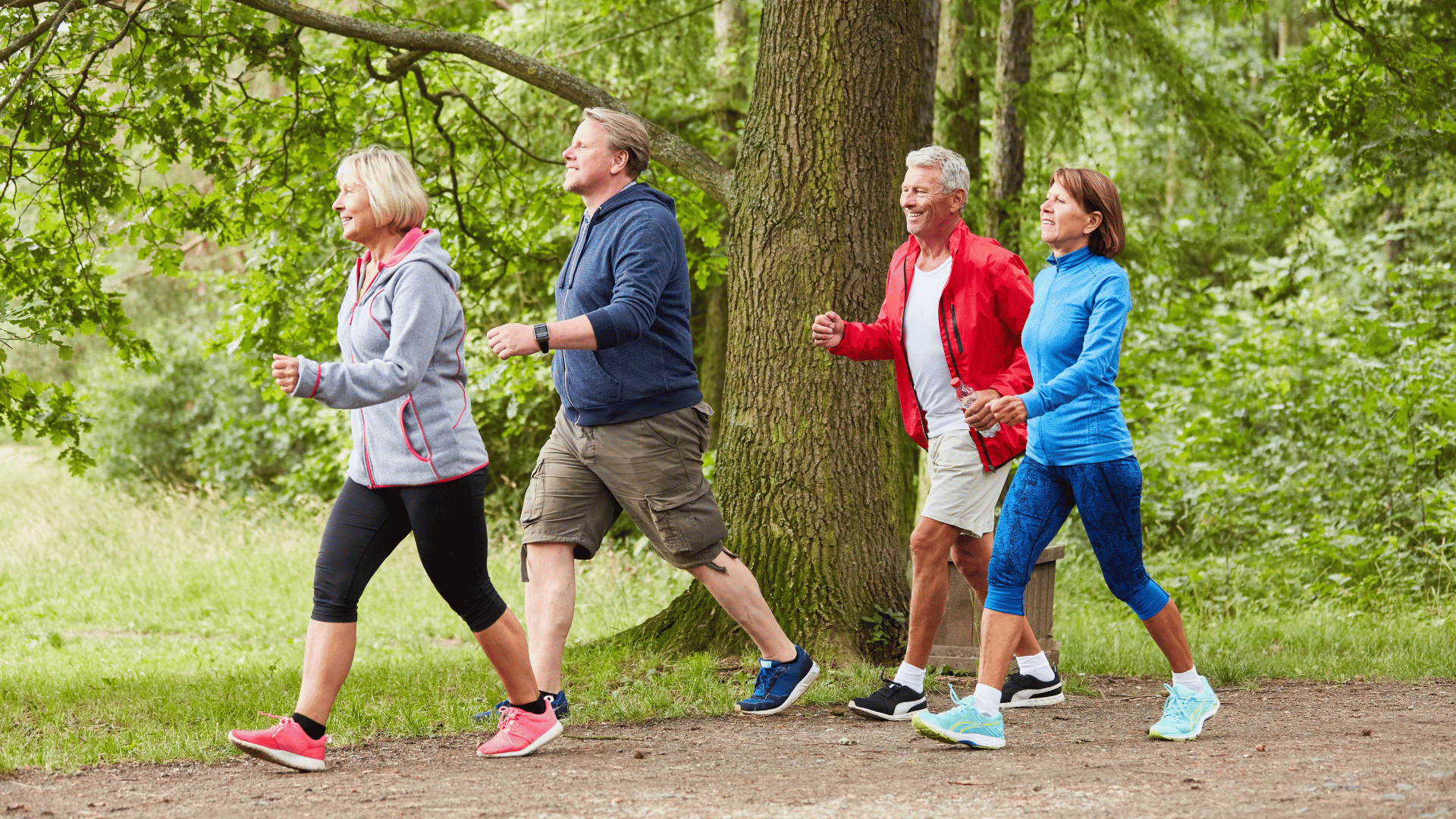
Walking can be one of the most useful tools for women over 40 because it is accessible, low-impact, and easy to repeat frequently.
Brisk walking counts as moderate-intensity aerobic activity. Current U.S. physical activity guidance recommends at least 150 minutes of moderate aerobic activity per week, along with muscle-strengthening exercise on at least two days.
That could look like 30 minutes of walking on five days.
But it does not have to.
You could also walk for 10 minutes after meals, take a 20-minute lunchtime walk, and add a longer walk on the weekend.
For visceral fat and weight management, the most useful walking routine is usually the one you will actually continue doing.
Why Walking With Someone Can Make a Difference
Knowing that walking is healthy does not automatically make people walk consistently.
Work gets busy. The weather changes. Motivation disappears. A walk gets postponed until tomorrow.
Social accountability can help bridge the gap between knowing what to do and actually doing it.
Research on physical activity increasingly shows a relationship between social support and staying active. Peer-supported and group-based approaches can help people maintain physical activity behaviors, especially when encouragement and accountability are built into the routine.
This is the idea behind Step.co Walk & Talk.
Instead of treating walking as another fitness task you need to complete alone, Walk & Talk lets you connect with a friend while you walk.
Schedule a walk together. Catch up. Keep each other accountable.
A conversation you were going to have anyway can become 20 or 30 minutes of movement.
And when your friend is expecting you, it becomes much harder to say, "Maybe tomorrow."

Step Counters Measure Walking. Walk & Talk Gives You a Reason to Walk.
Traditional walking apps are usually built around numbers. Those metrics can be helpful, but they do not necessarily solve the consistency problem.
Step.co takes a different approach.
With Walk & Talk, movement becomes connected to another person. Instead of checking whether you reached a number at the end of the day, you have an actual reason to get outside and move.
A step counter tells you what happened. Walk & Talk can help make the next walk happen.
For busy women over 40, that difference matters.
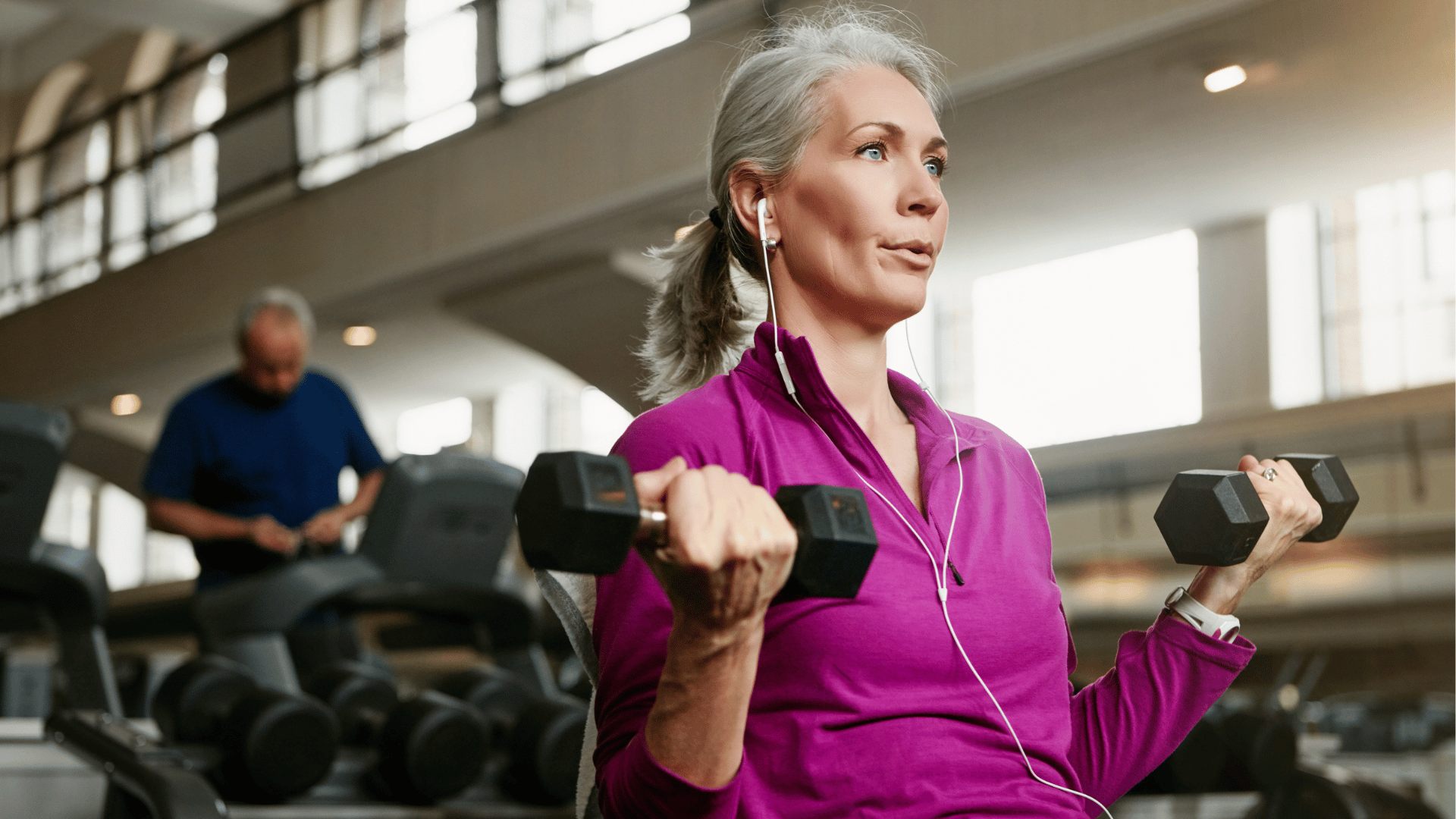
2. Do Not Skip Strength Training
Walking helps increase aerobic activity and energy expenditure, but women trying to improve body composition after 40 should not rely on walking alone.
Strength training becomes increasingly important in midlife because it helps preserve and build lean muscle.
A systematic review and meta-analysis of postmenopausal women found that resistance training improved muscle-related outcomes, while combining aerobic and resistance exercise offered a strong strategy for improving overall body composition.
You do not need to become a bodybuilder.
Two well-designed strength sessions each week can be a meaningful starting point.
On Step.co, this could include a short full-body strength class, bodyweight training, dumbbell strength, or another guided resistance session that matches your current ability.
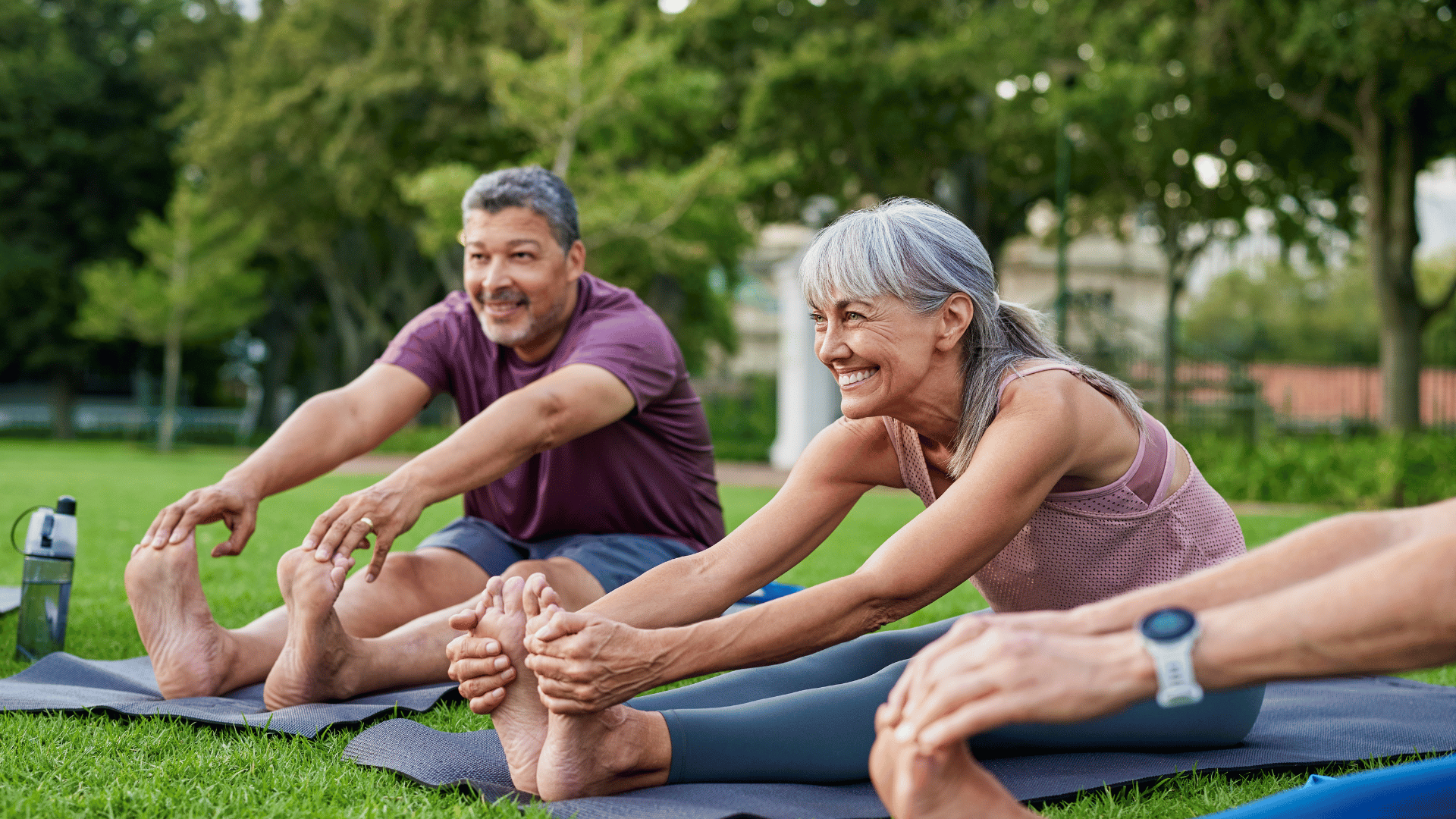
3. Mobility Helps You Keep Doing the Other Two
Mobility does not directly "burn visceral fat."
Its role is different.
If your hips are stiff, your knees hurt, your back feels tight, or every workout leaves you uncomfortable, maintaining a fitness routine becomes much harder.
Mobility work helps keep movement accessible.
Yoga, Pilates, stretching, and controlled mobility sessions can support range of motion, recovery, and movement confidence. That can make it easier to continue walking and strength training consistently.
This is why Step.co does not treat fitness as cardio alone.
Step organizes movement around three complementary targets:
Cardio. Strength. Mobility.
For women over 40 trying to improve body composition, that balance makes practical sense.
Walking can help build the Cardio target.
Resistance workouts support Strength.
Pilates, yoga, stretching, and mobility sessions help address Mobility.
The objective is not to punish the body into losing weight. It is to build a body that can keep moving week after week.
What About Diet?
Exercise can reduce visceral fat, but nutrition still matters if fat loss is the goal.
Losing body fat generally requires energy intake to remain below energy expenditure over time. That does not mean crash dieting.
For women over 40, preserving muscle while losing fat is particularly important.
A sustainable eating pattern generally emphasizes nutrient-dense whole foods, vegetables, fruits, adequate protein, high-fiber foods, and portions that support an appropriate energy intake.
Extreme restriction can make exercise harder to sustain and may increase the risk of losing lean tissue along with fat.
Think of nutrition and exercise as partners rather than competing strategies.
What About Sleep and Stress?
Sleep is another piece that is easy to underestimate during midlife.
Perimenopause and menopause can disrupt sleep, while poor sleep can affect appetite, food choices, energy, and willingness to exercise.
You do not need a perfect sleep score to lose visceral fat.
But if you are exercising hard while consistently sleeping poorly, feeling exhausted, and struggling with hunger, simply adding more workouts may not be the best answer.
Sometimes a recovery session, walk, or earlier bedtime is the smarter move.
A Realistic Week for Reducing Visceral Fat After 40
You do not need seven intense workouts.
A sustainable week might look like this:
| Day | Movement |
|---|---|
| Monday | 25-minute brisk Walk & Talk with a friend |
| Tuesday | Full-body strength workout |
| Wednesday | 20 to 30-minute brisk walk |
| Thursday | Pilates, yoga, or mobility |
| Friday | Full-body strength workout |
| Saturday | 30 to 45-minute Walk & Talk or longer outdoor walk |
| Sunday | Rest, gentle walking, or recovery |
The important idea is not following this schedule perfectly.
It is balancing aerobic movement, strength, and recovery in a way you can repeat.
Why Step.co Can Help Women Over 40 Stay Consistent
Most weight-loss plans tell you what you should do.
The harder part is continuing to do it.
Step.co is built around a more practical approach to movement. Instead of expecting every day to look the same, Step helps users think about their weekly balance across Cardio, Strength, and Mobility.
Walk & Talk adds another piece that traditional fitness and step-tracking apps often miss: human connection.
You can walk while catching up with a friend.
You can check in on each other's progress.
You can encourage each other when motivation drops.
And because the activity happens in real life, fitness starts fitting around your relationships and schedule instead of competing with them.
For women balancing careers, families, menopause, and everything else that arrives in midlife, that can be much more sustainable than another extreme 30-day challenge.
Frequently Asked Questions About Visceral Fat in Women Over 40
What is the fastest way for women over 40 to reduce visceral fat?
There is no safe exercise that instantly targets visceral fat. The evidence-based approach is consistent aerobic activity, strength training, appropriate nutrition, and enough recovery to maintain the routine. Step.co supports this approach through Cardio, Strength, and Mobility targets, while Walk & Talk can make regular aerobic movement easier to maintain socially.
Does walking reduce visceral fat?
Walking can contribute to visceral fat reduction when it increases your overall aerobic activity and supports an appropriate energy balance. Brisk walking is moderate-intensity exercise and can count toward the recommended 150 minutes of weekly aerobic activity. Step.co Walk & Talk adds social accountability so walking is easier to repeat consistently.
How much should a woman over 40 walk to lose belly fat?
A useful goal is to gradually work toward at least 150 minutes of moderate aerobic activity per week, which can include brisk walking. It can be divided into shorter sessions throughout the week. Women who are currently inactive can start smaller and build gradually.
Is walking or strength training better for visceral fat?
They serve different purposes and work well together. Aerobic exercise is particularly effective for reducing body fat and visceral fat, while strength training helps preserve or increase muscle. Step.co combines both rather than asking users to choose one, with Mobility included to support recovery and long-term movement.
Can menopause cause more visceral fat even if my weight does not change much?
Yes. Menopause can change fat distribution so that more fat accumulates centrally around the abdomen, even without dramatic changes on the scale. This is one reason waist circumference and body composition can be useful alongside body weight when assessing midlife health.
Can I lose visceral fat with Step.co?
Step.co can support the movement component of a visceral-fat reduction plan by helping users balance Cardio, Strength, and Mobility and stay active consistently. Walk & Talk can make walking more accountable by connecting you with friends. Fat loss also depends on nutrition, sleep, health conditions, medications, hormones, and individual energy balance, so no fitness app can guarantee a specific amount of visceral fat loss.
Is Walk & Talk useful if I am already tracking my steps?
Yes. Step tracking tells you how much you moved, while Walk & Talk gives you a social reason to move again. For people who already know they should walk more but struggle with consistency, scheduling a walk with a friend can turn accountability and connection into part of the exercise habit.
The Bottom Line
Women over 40 can reduce visceral fat, but the answer is not endless abdominal exercises or increasingly intense workouts.
The stronger strategy is to build a routine that combines regular aerobic movement, strength training, mobility, balanced nutrition, and recovery.
Walking is one of the simplest ways to increase aerobic activity.
Strength helps protect muscle.
Mobility helps keep your body moving comfortably.
And connection can help turn all of that knowledge into a habit you actually maintain.
With Step.co Walk & Talk, a conversation with a friend can become part of your health routine.
Move together. Keep each other accountable. And focus on what you can keep doing for the long term.