
Stiffness vs Soreness: Should You Work Out Today?

If you feel stiff, you should usually move. If you feel sore, it depends on the intensity and type of soreness. Research shows that light movement can reduce stiffness and improve recovery, while exercising intensely on already damaged muscles may increase injury risk. The key is knowing how to tell the difference and adjust your workout accordingly.
Understanding this distinction helps you stay consistent without overtraining or skipping unnecessarily.
What Is Stiffness?
Stiffness is a feeling of tightness or reduced mobility, often after:
- Sitting for long periods
- Sleeping
- Travel or inactivity
- Light previous workouts
It is not usually painful, just uncomfortable.
Why stiffness happens
Stiffness is typically caused by:
- Reduced blood flow
- Joint immobility
- Muscle inactivity
Research from the American College of Sports Medicine shows that light movement increases circulation and improves range of motion, which helps reduce stiffness quickly.

What Is Soreness?
Soreness, especially delayed onset muscle soreness (DOMS), usually appears 12 to 48 hours after exercise.
It is caused by microscopic muscle damage from unfamiliar or intense activity.
Common signs:
- Tender or painful muscles
- Reduced strength
- Pain when moving or pressing the muscle
- Stiffness combined with discomfort
According to research published in the Journal of Applied Physiology, DOMS is part of the muscle adaptation process but requires proper recovery.
Stiffness vs Soreness: Key Differences
Stiffness
- Feels tight, not painful
- Improves with movement
- Often caused by inactivity
- Safe to exercise through
Soreness
- Feels tender or painful
- May worsen with pressure or use
- Caused by muscle repair process
- Requires modified training

Should You Work Out Today? A Simple Decision Guide
If you feel stiff
You should work out.
Best approach:
- Start with mobility or light cardio
- Gradually increase intensity
- Focus on full-body movement
Movement helps restore circulation and joint function.
If you feel mildly sore
You can still work out, but adjust.
Best approach:
- Train a different muscle group
- Reduce intensity
- Avoid heavy loading on sore areas
- Include mobility and recovery work
Research shows active recovery improves blood flow and reduces soreness faster than complete rest.
If you feel very sore or in pain
You should prioritize recovery.
Avoid:
- Heavy strength training
- High-intensity workouts
- Repeating the same muscle group
Instead:
- Do light stretching
- Walk or do low-impact movement
- Focus on sleep and hydration
Why Skipping Too Many Days Can Hurt Progress
Many people stop training completely when they feel any discomfort.
However, consistency is the most important factor in long-term fitness results.
Avoiding movement entirely can lead to:
- Increased stiffness
- Slower recovery
- Loss of routine
The goal is not to push through pain. The goal is to adapt your movement to how your body feels.
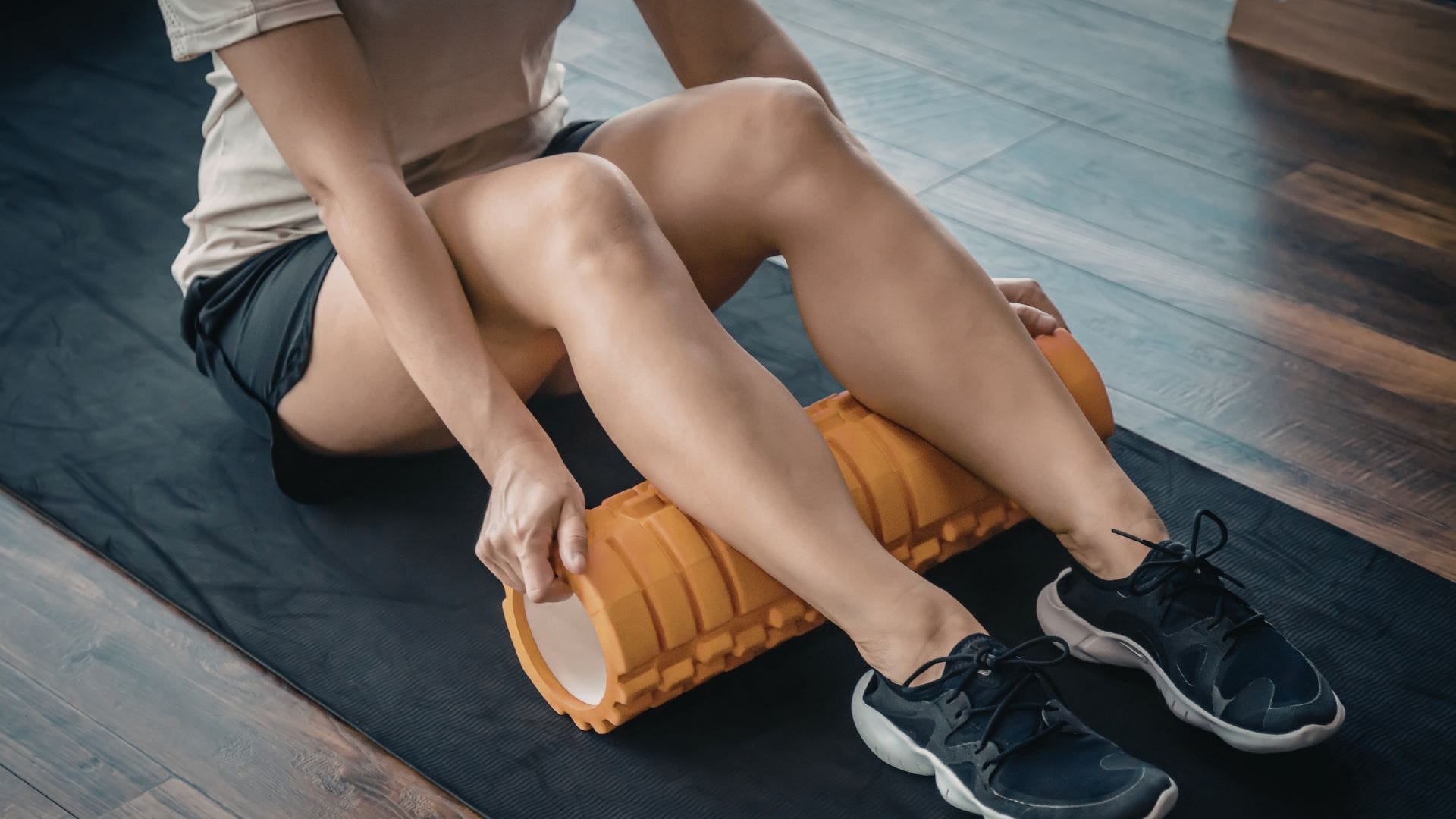
The Role of Recovery in Strength and Fitness
Recovery is not the opposite of progress. It is part of it.
Studies from the National Institutes of Health highlight that muscle growth and adaptation happen during recovery phases, not during the workout itself.
This is why a balanced routine includes:
- Strength training
- Cardio
- Mobility and recovery sessions
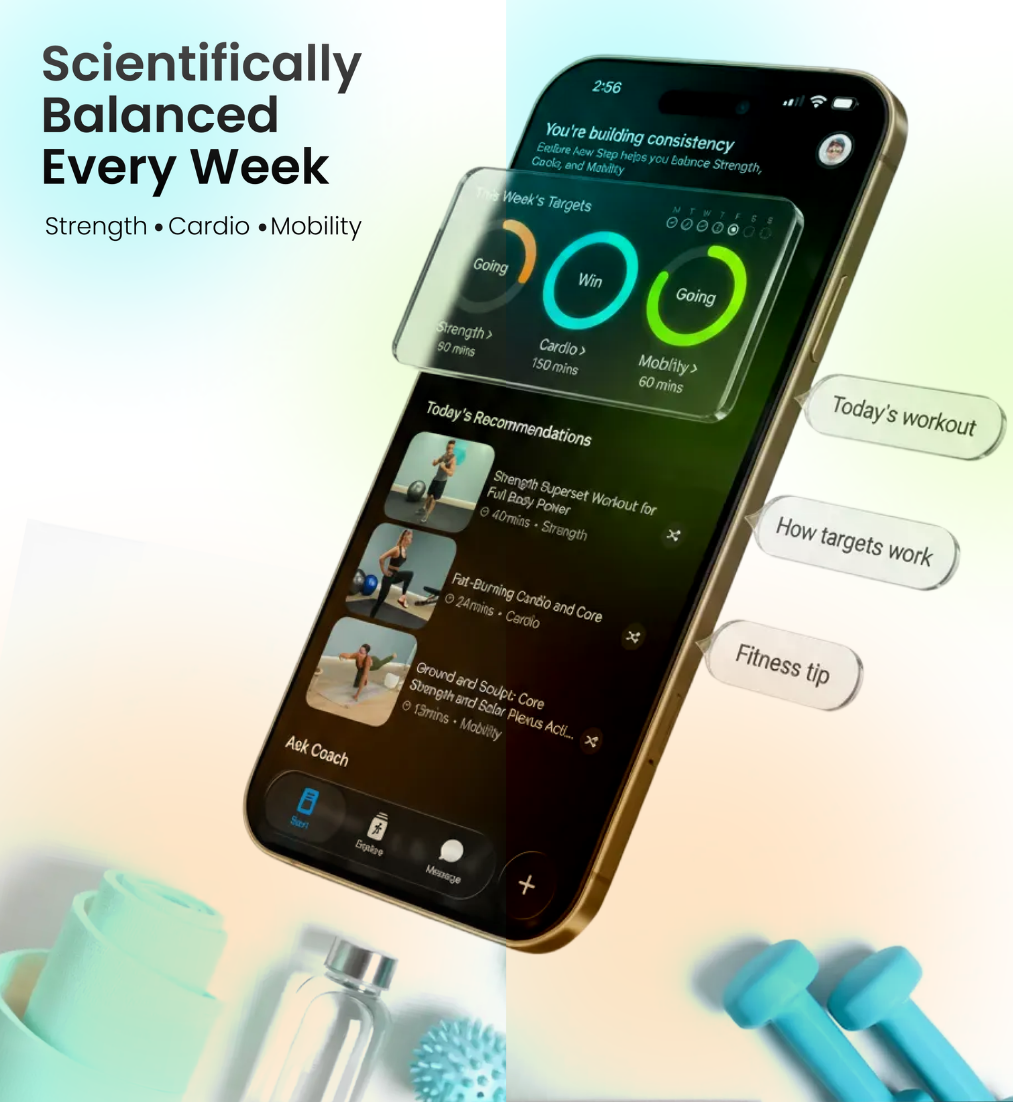
How Step.co Helps You Decide What to Do Each Day
Step.co is designed around a simple idea: your body does not need the same thing every day.
Instead of guessing whether to push or rest, Step guides you with the right type of movement based on how your body feels.
On days when you feel:
- Stiff: it can guide you into mobility or light cardio sessions
- Slightly sore: it can shift focus to another muscle group
- Fatigued: it can recommend recovery or low-impact classes
This removes the guesswork and helps you stay consistent without overtraining.
Practical Weekly Example
A balanced week might look like:
- Day 1: Strength training
- Day 2: Light cardio or mobility
- Day 3: Strength training
- Day 4: Recovery or stretching
- Day 5: Mixed movement
- Day 6: Low-impact activity
- Day 7: Rest or gentle mobility
This structure aligns with research showing that variation improves performance and reduces injury risk.
Frequently Asked Questions
Is it bad to work out when sore?
Not always. Mild soreness is safe to train around. Severe soreness requires recovery.
Does stretching reduce soreness?
Stretching may improve comfort and mobility, but it does not fully eliminate soreness. Light movement is more effective.
What is better, rest or active recovery?
Active recovery is often better for mild soreness because it increases circulation and speeds up recovery.
How do I know if I should skip a workout?
If pain is sharp, severe, or affects movement quality, it is better to rest or switch to recovery-focused activity.
Final Takeaway
You do not need to choose between pushing harder or stopping completely.
If you feel stiff, move.
If you feel sore, adjust.
If you feel pain, recover.
The most effective fitness routine is one that adapts to your body so you can stay consistent over time.
Join today for free and start moving!